


Planning a cohesive corporate event means more than just booking a venue and sending invites. You need every detail—from attendee journey mapping to event wayfinding—to work together, creating a seamless story your audience remembers. In this post, you’ll learn how to connect strategy, design, and digital touchpoints into one powerful experience that reflects your brand and drives measurable impact. Let’s explore how PURE Creative Solutions turns corporate event planning into a precise, engaging journey from start to finish. For further insights, consider reading this comprehensive guide.
Crafting a Cohesive Corporate Event
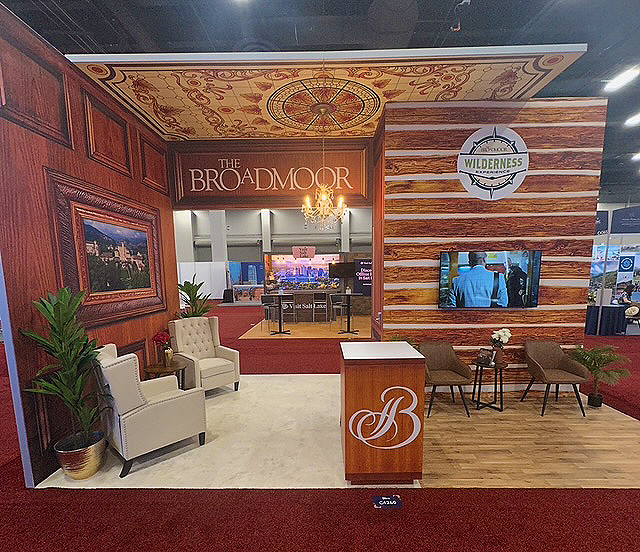
Creating a memorable event starts with more than just a plan. It requires a seamless blend of strategy, design, and execution that captivates your audience. Let’s dive into how each element contributes to a cohesive corporate event.
Strategic Foundations for Success
Your event’s success begins with a clear strategy. This means defining objectives and understanding your audience deeply. Start by setting specific goals like boosting brand awareness or launching a new product. Knowing your audience’s preferences is key. Are they tech-savvy? Do they value personal interaction? Answering these questions helps tailor your approach.
Next, create a timeline. Break the project into manageable chunks and assign responsibilities. This ensures every team member knows their role. Regular check-ins keep everyone aligned and on track. And don’t forget a budget. Allocate funds wisely: from venue booking to marketing efforts. This strategic groundwork makes sure your event runs smoothly and achieves its goals.
Storytelling and Design Integration
Once your strategy is in place, it’s time to think about storytelling and design. Your event should tell a story that resonates with your audience. This involves more than just words. Visuals, sounds, and even scents can play a part. Think of your event as a live theatre show where every element contributes to the narrative.
Design is a powerful storytelling tool. Use colors and layouts that reflect your brand’s identity. If you want to convey innovation, opt for sleek, modern designs. For a more traditional feel, classic elements might work better. Remember to consider how your audience will experience these designs. Is there a clear flow from one area to another? Are interactive elements easy to engage with? Thoughtful design ensures your story is not just told, but felt.
Operational Excellence in Execution
With a solid strategy and engaging design, execution is the final piece of the puzzle. This is where meticulous planning pays off. Begin with a detailed run sheet. This outlines every detail: from the opening speech to the closing thank you. Assign team members to oversee each aspect, ensuring accountability.
Consider logistics. How will attendees get to the venue? What technology needs to be in place for presentations or live streams? Test everything beforehand to avoid last-minute surprises. On the day of the event, have a dedicated team to handle any issues. This allows others to focus on delivering the event, not fixing problems. Execution is where your plans come to life, so give it the attention it deserves.
Enhancing the Attendee Journey
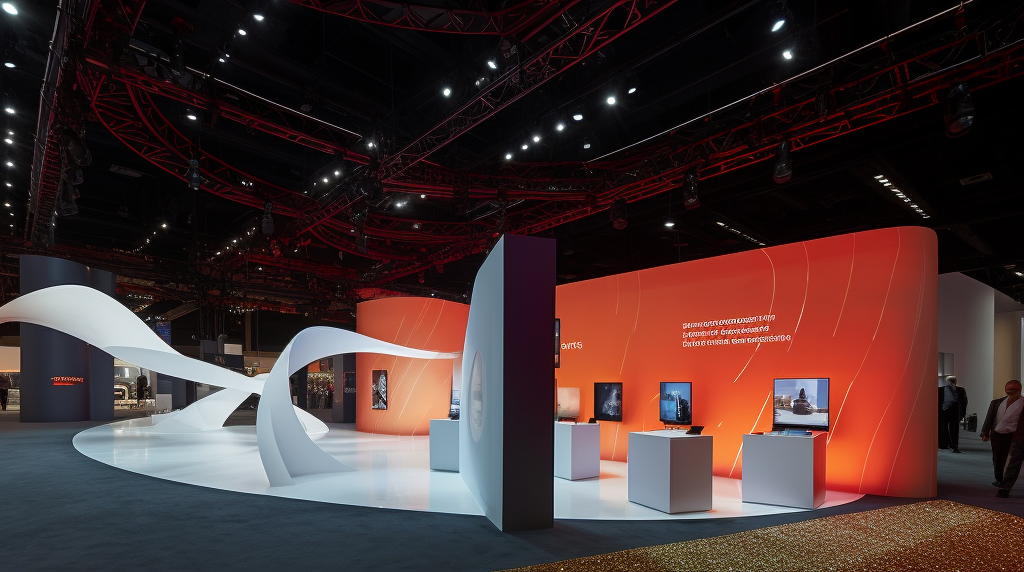
Now that we’ve mastered crafting a cohesive event, let’s focus on the attendee journey. Each interaction should reinforce your brand and leave a lasting impression.
Mapping High-Impact Moments
Start by identifying key moments in the attendee journey. These are the interactions that will stick in their minds. Think about the welcome experience. Is it warm and inviting? Does it set the tone for the event? Consider engaging openings like a live performance or an interactive exhibit.
Another high-impact moment is networking. Design spaces that encourage conversation and connection. Small, informal areas with comfortable seating can facilitate this. Have branded materials on hand to reinforce your message. These moments are opportunities to create lasting memories and build brand loyalty.
Digital and Physical Touchpoints
Balancing digital and physical touchpoints is crucial. Digital elements like apps or social media can enhance engagement. Use them to provide real-time updates or interactive maps. Encourage attendees to share their experiences online, amplifying your event’s reach.
On the physical side, think about how attendees move through the space. Clear signage and helpful staff can guide them effortlessly. Consider sensory elements like music or lighting to create an immersive atmosphere. Combining digital and physical touchpoints enriches the attendee journey, making it unforgettable.
Seamless Wayfinding and Navigation
Wayfinding is an often-overlooked aspect of event planning. Yet, it plays a critical role in the attendee experience. Clear navigation ensures attendees can easily find their way, reducing frustration. Start with clear, concise signage. Use consistent branding to tie everything together.
Consider digital aids like interactive kiosks or mobile apps. These can provide directions, event schedules, and more. Ensure staff members are available to assist with any questions. A seamless navigation experience allows attendees to focus on the event itself, not how to get around.
Maximizing Event ROI
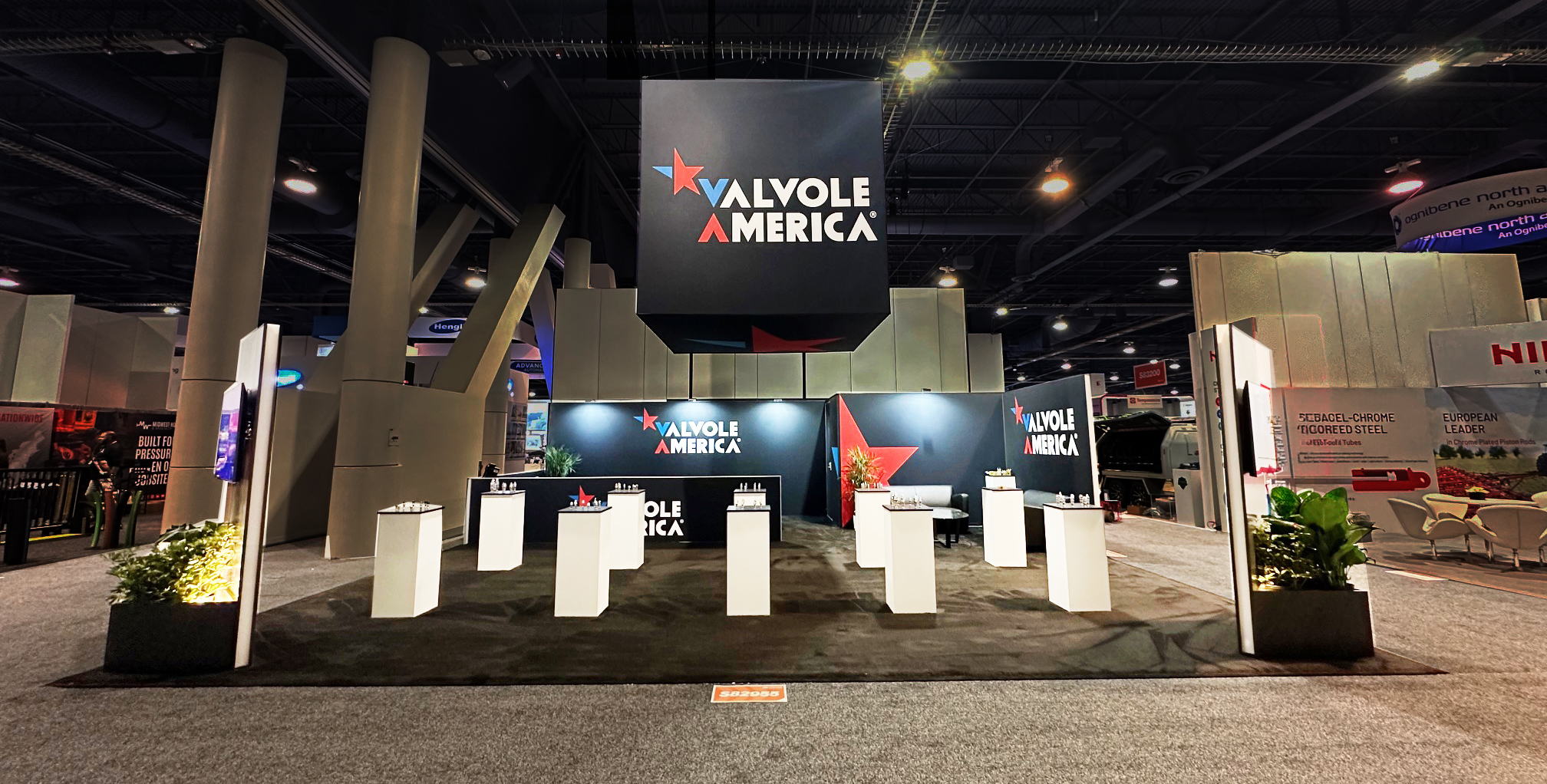
With a cohesive event and a memorable attendee journey, it’s time to focus on ROI. This ensures your event delivers tangible results for your brand.
Measuring Success Post-Event
Begin by defining what success looks like. Is it increased sales, brand awareness, or attendee satisfaction? Use metrics like social media engagement, surveys, or sales data to measure success. Analyzing these metrics provides insights into what worked and what didn’t.
Consider hosting a post-event meeting with your team. Discuss successes and areas for improvement. This feedback loop is invaluable for future events. By measuring success, you ensure your event achieves its goals and drives brand growth.
Leveraging Brand Consistency
Brand consistency reinforces your message and builds trust. Ensure all event elements reflect your brand identity. This includes visuals, messaging, and attendee interactions. Consistent branding creates a unified experience that resonates with attendees.
Consider how your event fits into your broader marketing strategy. Does it align with your brand’s goals and values? Ensure your event reinforces these elements. By leveraging brand consistency, you strengthen your brand’s presence and impact.
Engaging Follow-Up Strategies
The event doesn’t end when the doors close. Follow-up is crucial for maintaining momentum. Start with a thank-you email to attendees. Personalize it with highlights from the event or links to additional content.
Consider a post-event survey. This provides valuable feedback and demonstrates your commitment to improvement. Follow up with tailored offers or content that continues the conversation. Engaging follow-up strategies keep your brand top of mind and foster ongoing relationships.
Planning a cohesive corporate event involves strategy, storytelling, and execution. It’s about crafting memorable experiences that drive brand loyalty and growth. Use these insights to make your next event a success. For more tips on elevating your corporate events, check out this resource.


