


Most brand activations grab attention but fail to spark real action. You’ve invested time and budget, yet audience engagement stays shallow. An immersive brand activation must do more than shine—it needs to captivate, connect, and convert. In this post, you’ll learn the core elements that make immersive brand activations truly effective, with insights from PURE Creative Solutions’ proven approach to crafting interactive experiences that drive measurable results. Learn more about what makes an immersive brand activation effective for audience engagement.
Core Elements of Immersive Brand Activation
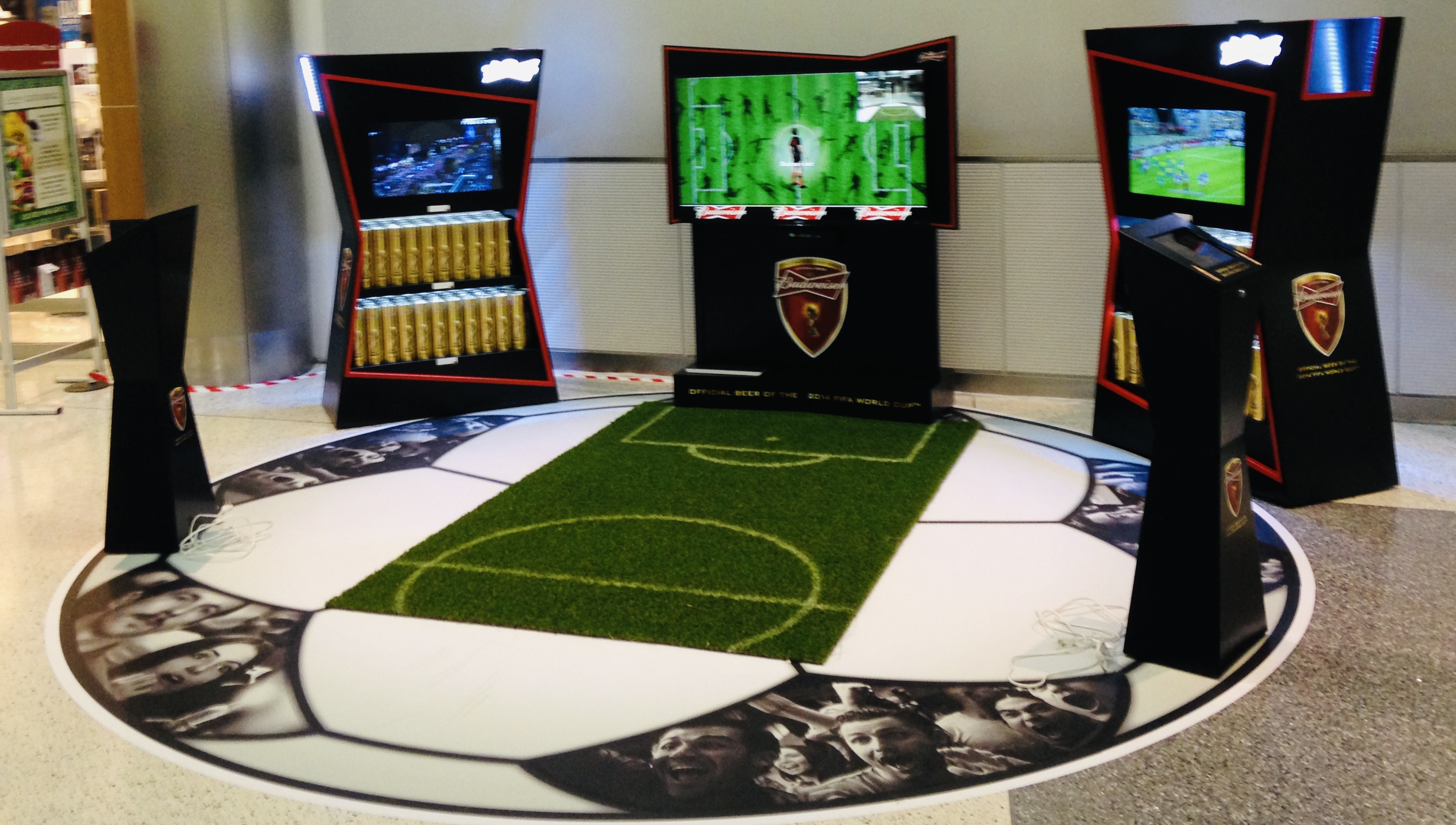
Creating an immersive brand activation involves more than just catching the eye. It requires a strategy that truly connects with your audience. Let’s explore how you can make this happen.
Insight-Led Strategy Essentials
The foundation of any successful brand activation lies in understanding your audience. Start by researching their needs and preferences. This knowledge shapes every decision you make.
By focusing on what your audience values, you can design experiences that speak directly to them. Think about what excites them or what problems they need solved. Tailoring your strategy to these insights transforms your activation from just another event into a memorable experience.
It’s also crucial to set measurable goals. Are you looking to increase brand awareness or drive sales? Knowing your objectives keeps your strategy on track.
Crafting Narrative Architecture
Every brand has a story. Crafting a compelling narrative around your activation helps people connect with your brand on a deeper level. Start with a clear message that aligns with your brand values.
Use this narrative to guide the design and flow of your event. A well-structured story keeps attendees engaged and makes your brand more memorable. Consider using characters or a journey to make your narrative relatable and engaging.
Remember, your story should be consistent across all touchpoints. This consistency reinforces your brand message and strengthens your connection with the audience.
Multisensory 3D Design Techniques
Engage your audience by appealing to multiple senses. Multisensory design techniques can transform your activation into an unforgettable experience.
Incorporate elements like sound, light, and touch to create a fully immersive environment. For example, use ambient sounds and dynamic lighting to set the mood and make your brand world come alive.
These techniques not only capture attention but also make the experience more interactive and enjoyable. This approach helps your brand stand out in a crowded marketplace.
Purposeful Technology in Engagement
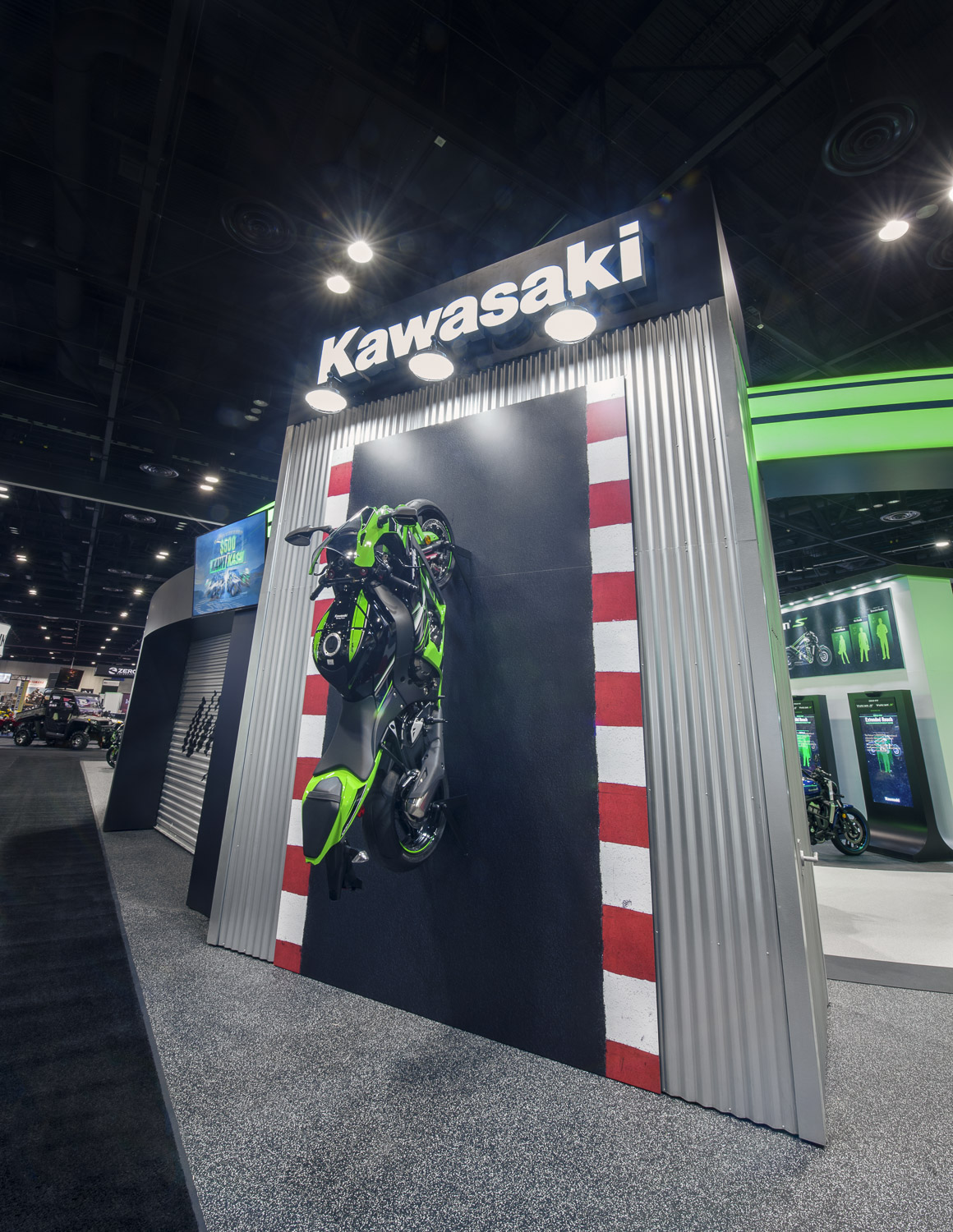
Incorporating technology into your activation is about more than just being modern; it’s about creating meaningful interactions. Here’s how to harness technology effectively.
Integrating VR and AR Solutions
Virtual and Augmented Reality are powerful tools for engagement. They allow you to create experiences that are both immersive and memorable.
Using VR, you can transport attendees to different worlds or give them a new perspective on your product. AR, on the other hand, blends the digital and physical, adding layers of information to the real world.
These technologies captivate audiences by offering something novel and exciting. They also provide unique opportunities for storytelling and interaction.
Impact of Projection Mapping
Projection mapping can transform any surface into a dynamic display. This technology allows you to create visual spectacles that captivate and engage.
By projecting images onto buildings or objects, you can create an immersive environment that draws people in. This technique is perfect for storytelling, as it can bring your brand narrative to life in a visually stunning way.
Projection mapping is also versatile, making it suitable for a variety of settings and themes. It provides an opportunity to surprise and delight your audience, making your activation truly memorable.
Designing Interactive Experiences
Interactive experiences invite participants to become part of the story. This engagement is key to creating a lasting impact.
Design experiences that encourage exploration and participation. You might use touchscreens, games, or interactive installations. These elements invite attendees to engage with your brand on a personal level.
By making your activation interactive, you transform passive observers into active participants, deepening their connection with your brand.
Measuring Success and ROI
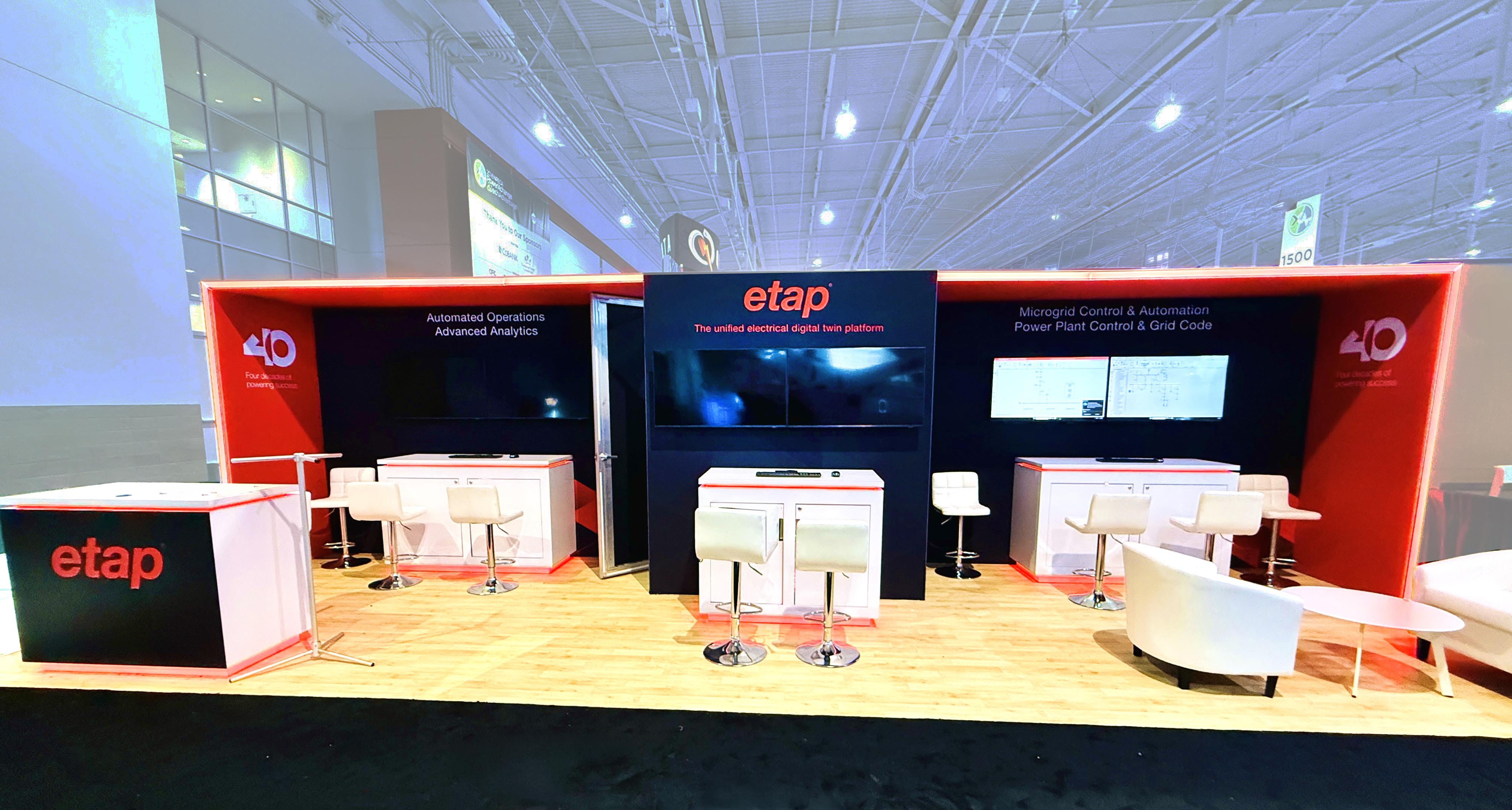
To ensure your brand activation is effective, you need to measure its success. Here’s how to track your impact and refine your strategy.
Effective Data Capture Methods
Data is crucial for understanding the impact of your activation. Use tools like surveys, social media analytics, and sensors to collect valuable insights.
Gathering data allows you to see what worked and what didn’t. This information helps you refine future activations for even greater success.
Ensure your data collection methods are unobtrusive and respect privacy. The goal is to gain insights without interrupting the experience.
Setting Clear KPI Goals
Setting clear Key Performance Indicators (KPIs) keeps your activation focused and measurable. These goals should align with your overall business objectives.
For example, if your goal is to increase brand awareness, track metrics like social media mentions or website visits. If sales are your focus, monitor conversions and customer inquiries.
Clear KPIs help you evaluate success and guide future strategies. They provide a benchmark for measuring ROI and ensuring your activation delivers value.
Enhancing Attendee Journey
The attendee journey is at the heart of any successful activation. Focus on creating seamless transitions and engaging touchpoints throughout the experience.
Map out the entire journey from start to finish. Consider every interaction and how it contributes to your overall narrative. This attention to detail ensures a cohesive and enjoyable experience.
A well-designed attendee journey not only captivates your audience but also leaves a lasting impression, turning visitors into loyal brand advocates.
In summary, effective brand activations require a blend of strategic insights, engaging narratives, and innovative technology. By focusing on these elements, you can create experiences that captivate, connect, and convert.


