


Brand Activations Explained: A Guide to Creating Immersive Audience Experiences
Brand activations are no longer just an option—they’re essential for standing out in crowded trade show halls and corporate events. If your audience engagement feels flat, it’s time to rethink how you connect through immersive experiences that tell your brand story. This guide breaks down the core strategies behind successful activations, showing how PURE Creative Solutions crafts tailored, measurable moments that captivate and convert. For more insights, check out this guide on brand activations.
Understanding Brand Activations
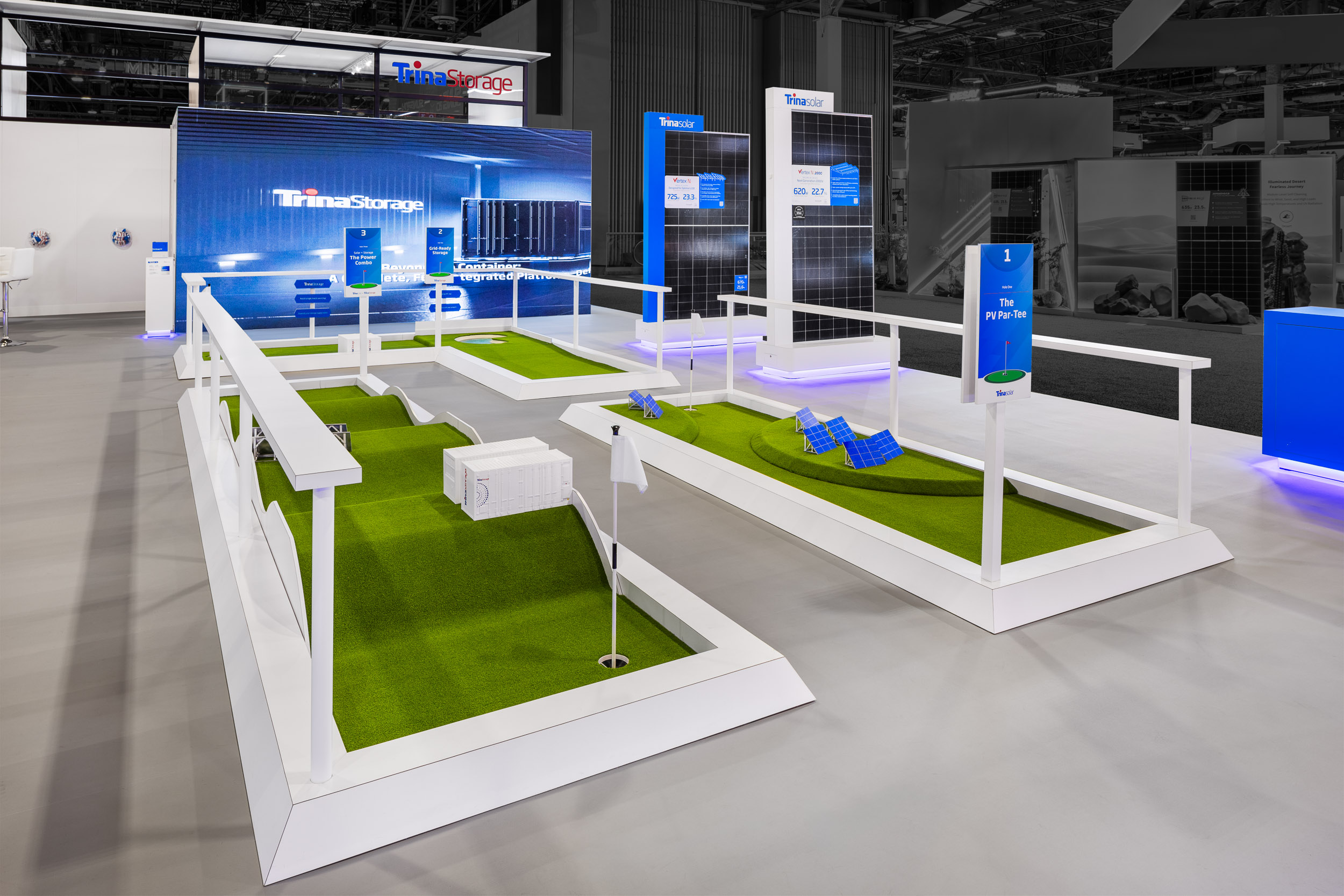
Brand activations are the secret weapon to making your brand memorable. Let’s explore what they truly encompass and why they matter in today’s marketing world.
Defining Experiential Marketing
Experiential marketing is about creating a memorable experience for your audience. It’s not just about selling a product; it’s about engaging the senses. Imagine walking into a trade show and being instantly drawn to a booth with vibrant visuals and interactive displays. That’s the power of experiential marketing. It turns attendees into active participants rather than passive observers. For a deeper dive, check out this complete guide on brand activations.
Importance of Immersive Experiences
Immersive experiences are crucial because they forge emotional connections. Picture a pop-up activation where visitors can try products in a real-world setting. These interactions linger in memory, building brand loyalty. Eighty percent of consumers say they’re more likely to purchase from a brand that offers personalized experiences. This isn’t just a trend; it’s a necessity in competitive industries.
Key Benefits for Businesses
For businesses, brand activations offer tangible advantages. First, they increase visibility. When your booth stands out with unique design and interaction, it draws a crowd. Second, they enhance brand storytelling. Through sensory design, your brand story unfolds in real time. Finally, they drive conversions. Engaged visitors are more likely to become customers. By investing in activations, you’re investing in your brand’s future.
Planning Your Brand Activation
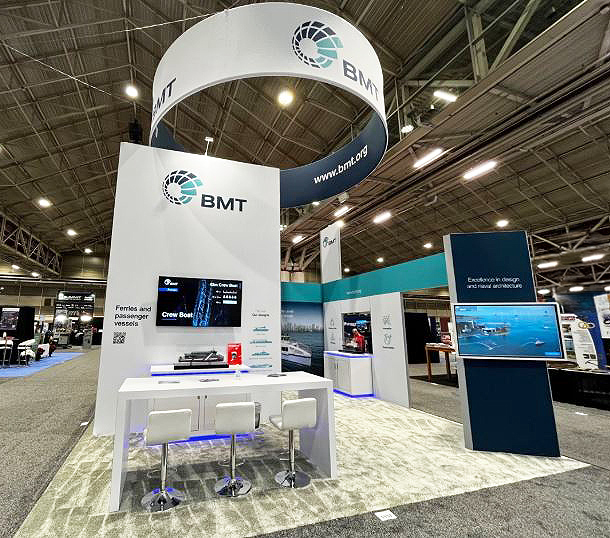
Now that you understand the importance, let’s talk about planning. Effective brand activations require thoughtful strategy and execution.
Goal Setting and KPIs
Setting clear goals is your first step. What do you want to achieve? Is it brand awareness, lead generation, or sales? Define your goals and align them with measurable KPIs. For example, if your goal is to increase brand awareness, track metrics like event attendance and social media mentions. Seventy percent of successful activations have well-defined goals. Start with clarity, and success will follow.
Audience and Customer Journey Mapping
Understanding your audience is key. Who are they, and what do they want? Map their journey from first contact to post-event engagement. This helps tailor the experience to their needs. Consider creating personas to visualize different audience segments. Customizing your approach ensures each visitor feels valued and understood. For more on mapping, explore this guide on engaging all senses in activations.
Concepting and Sensory Design
Now, let’s get creative. Concepting involves brainstorming ideas that align with your brand and goals. How can you surprise and delight your audience? Sensory design plays a crucial role here. Engage sight, sound, touch, and even taste to create a multi-dimensional experience. Remember, the longer you wait to innovate, the more opportunities you miss to engage your audience.
Executing Successful Activations
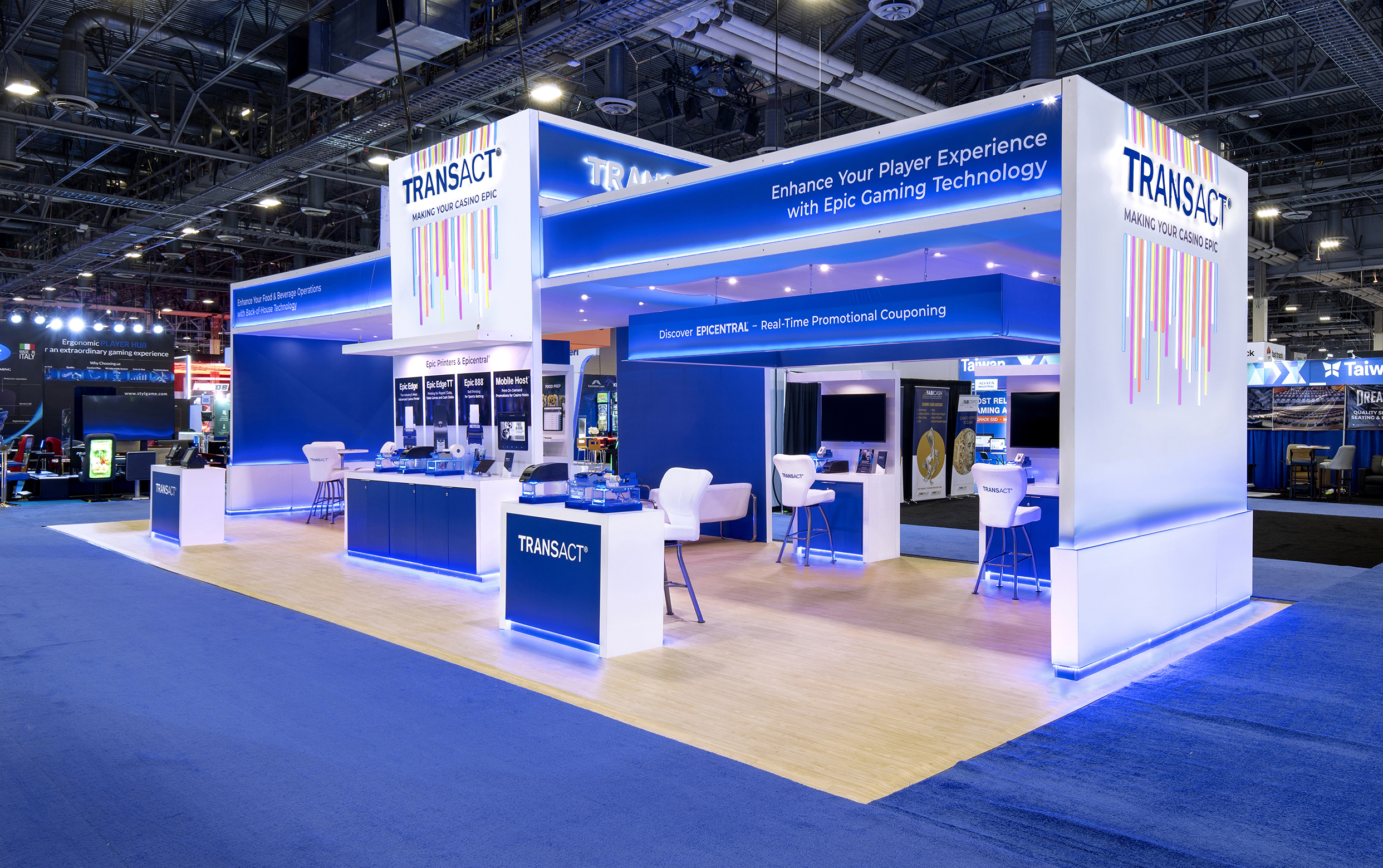
With a solid plan in place, it’s time to bring your activation to life. Execution is where your ideas become reality.
Interactive Technologies: VR and AR
Virtual and augmented reality can elevate your activations. Imagine visitors donning VR headsets to explore a virtual showroom or using AR to see products in their environment. These technologies captivate and immerse audiences like never before. A staggering ninety-four percent of marketers who use VR say it effectively boosts engagement. Don’t let these tools go untapped.
Staffing, Training, and Logistics
Behind every great activation is a well-trained team. Staff should understand your brand and the activation’s goals. Comprehensive training ensures they can engage visitors effectively. Logistics are equally crucial. From setup to dismantle, every detail must be meticulously planned. This smooth execution allows you to focus on connecting with your audience.
Measuring Engagement Metrics
Finally, assess the impact of your activation with engagement metrics. Track visitor numbers, interactions, and feedback. How did attendees respond? What worked well, and what needs improvement? Use these insights to refine future activations. Remember, continuous improvement is key to staying ahead in the game.
By understanding and implementing these strategies, you’re well on your way to creating unforgettable brand activations. These experiences not only captivate but convert, ensuring your brand’s message resonates long after the event concludes.


