


Beyond Four Walls: Why Immersive Brand Environments Are the Future of Corporate Interiors
Corporate interiors no longer just house desks and meetings—they tell your brand’s story in every corner. Immersive brand environments reshape how employees and visitors connect with your culture, boosting engagement and productivity in ways traditional design can’t match. You’re about to see why blending spatial storytelling with cutting-edge tech is the smartest move for your workplace experience. Learn more about the expanding role of immersive environments in corporate spaces.
The Power of Immersive Brand Environments
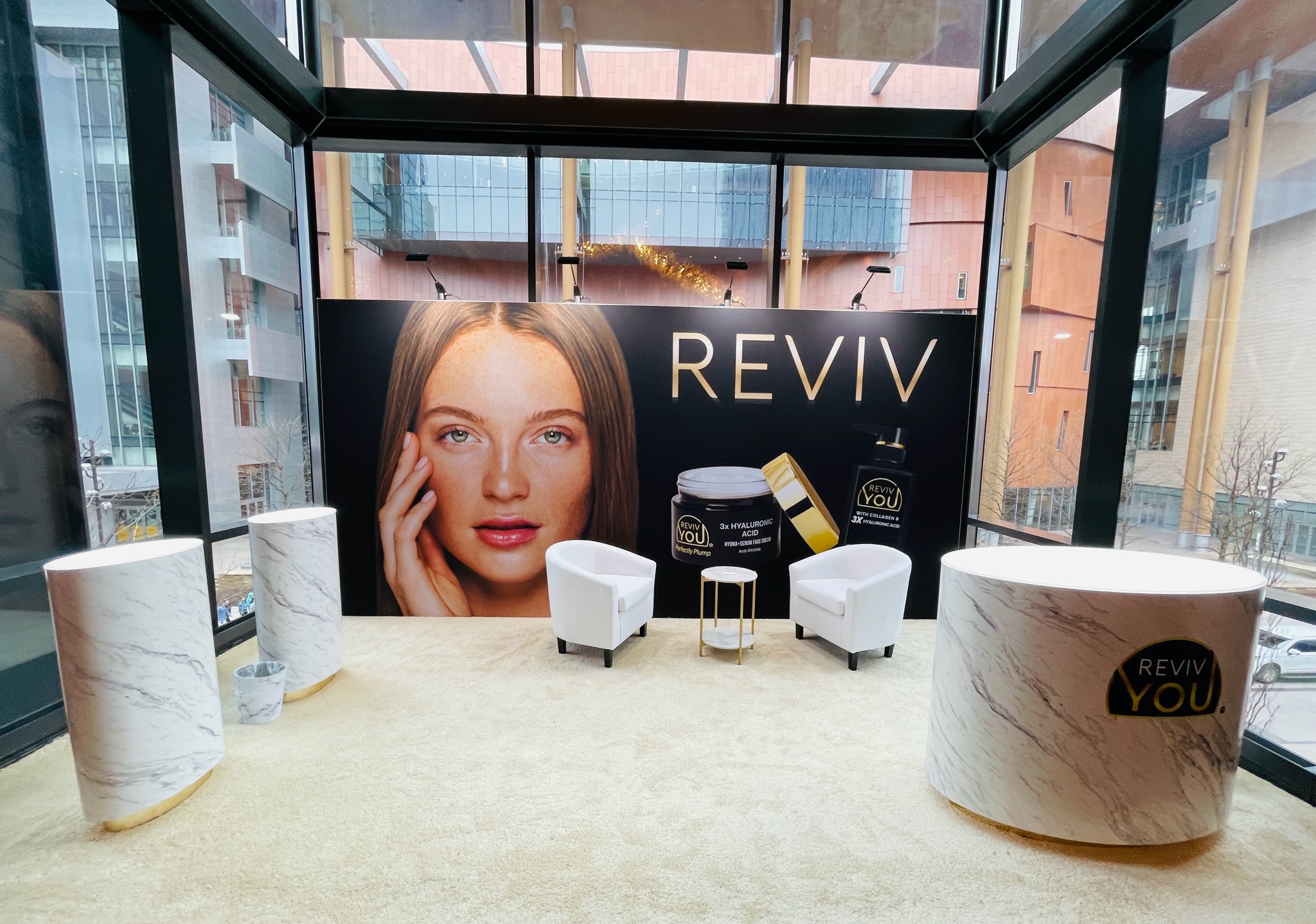
Transforming your corporate space into an immersive brand environment is a game-changer. Let’s explore how enhancing corporate interiors can bring your brand to life.
Enhancing Corporate Interiors
Imagine walking into a corporate space that instantly reflects your brand’s identity. Immersive brand environments do just that. They integrate your company’s values into every corner, offering a unique workplace experience. This approach not only impresses visitors but also boosts employee morale. When your workspace tells your story, everyone feels more connected to the mission.
Why are corporate interiors so critical? They set the stage for everything your company stands for. Designing spaces that reflect your brand increases engagement. Employees find inspiration within environments that resonate with them. It leads to an uptick in productivity as workers feel more at home.
Strategic Value and ROI
Investing in immersive spaces offers a tangible return. Companies leveraging these designs often see significant benefits. From attracting top talent to retaining clients, the impact is profound. When your workspace stands out, it leaves a lasting impression. The strategic value is clear: a well-crafted environment boosts your bottom line.
Maximizing ROI begins by understanding the value of experiential marketing. Your corporate space becomes more than just a place to work. It’s a tool that showcases innovation and captures interest. The longer you wait, the more opportunities slip by. Don’t let your competitors get ahead—embrace the power of immersive brand environments now.
Building Blocks of Immersive Spaces
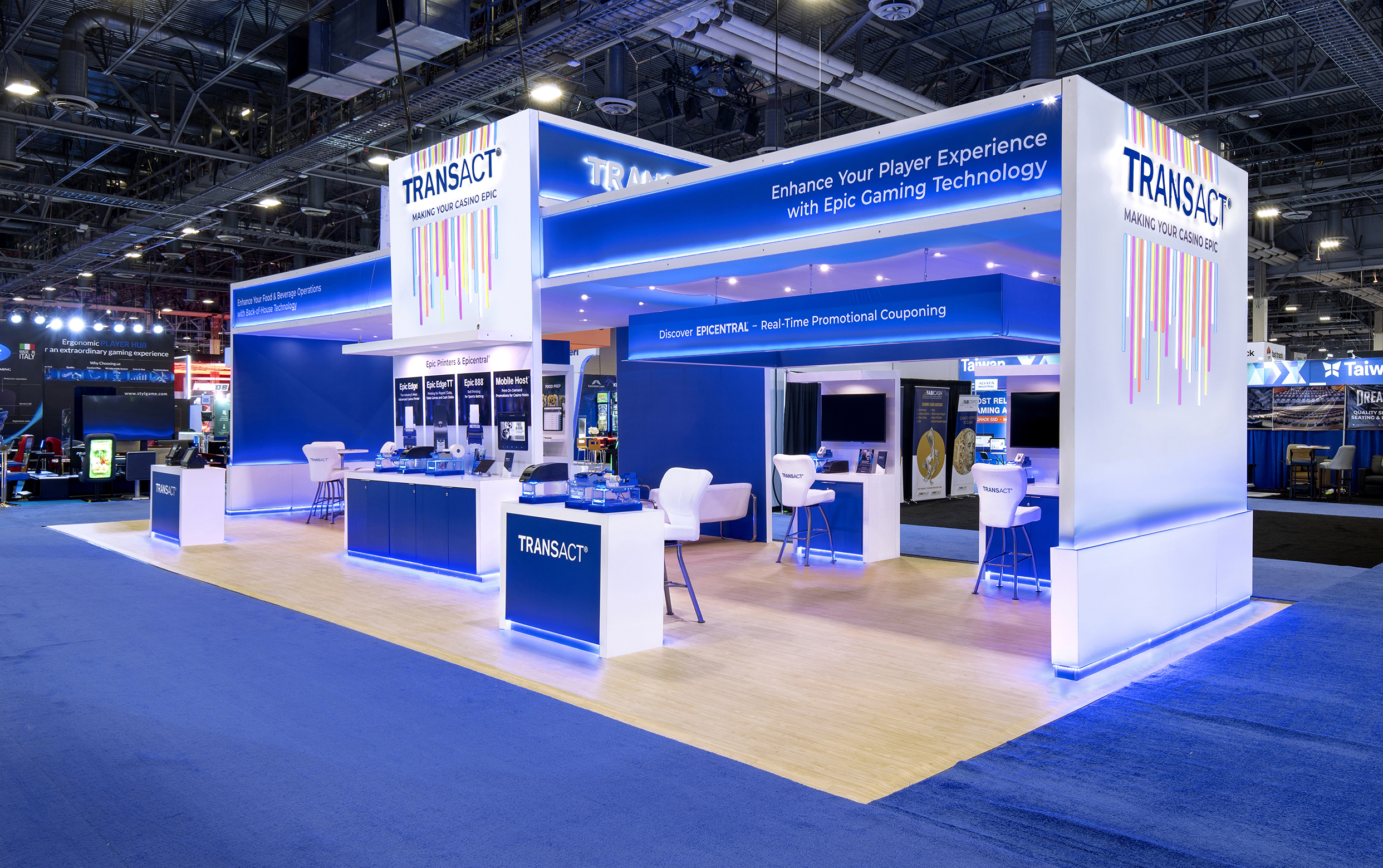
Creating a dynamic space requires more than just aesthetics. Dive deeper into the building blocks of successful immersive environments.
Spatial Storytelling and Environmental Graphics
Imagine stepping into a lobby where every element narrates your brand’s journey. Spatial storytelling is about weaving your company’s story into the physical environment. Environmental graphics play a crucial role here. They turn walls into canvases, communicating messages that words alone can’t convey.
Consider a client meeting in a room where the walls showcase your product’s evolution. Such spaces not only impress but educate. They offer visitors insights they might not get elsewhere. Incorporating these elements allows your brand’s personality to shine through, creating a memorable experience for everyone who enters.
Interactive Digital Layers and AR/VR
The future of corporate interiors lies in embracing technology. Interactive installations like digital screens and AR/VR provide layers of engagement. These technologies turn static spaces into dynamic experiences. Imagine an office lobby where visitors can explore your company’s milestones through an interactive display.
Incorporating AR and VR in the workplace allows employees to visualize projects in real-time. It fosters a culture of creativity and collaboration. By adopting these technologies, you’re not just keeping up with trends—you’re setting them. It’s about creating spaces that are as innovative as your ideas.
Implementing Immersive Solutions
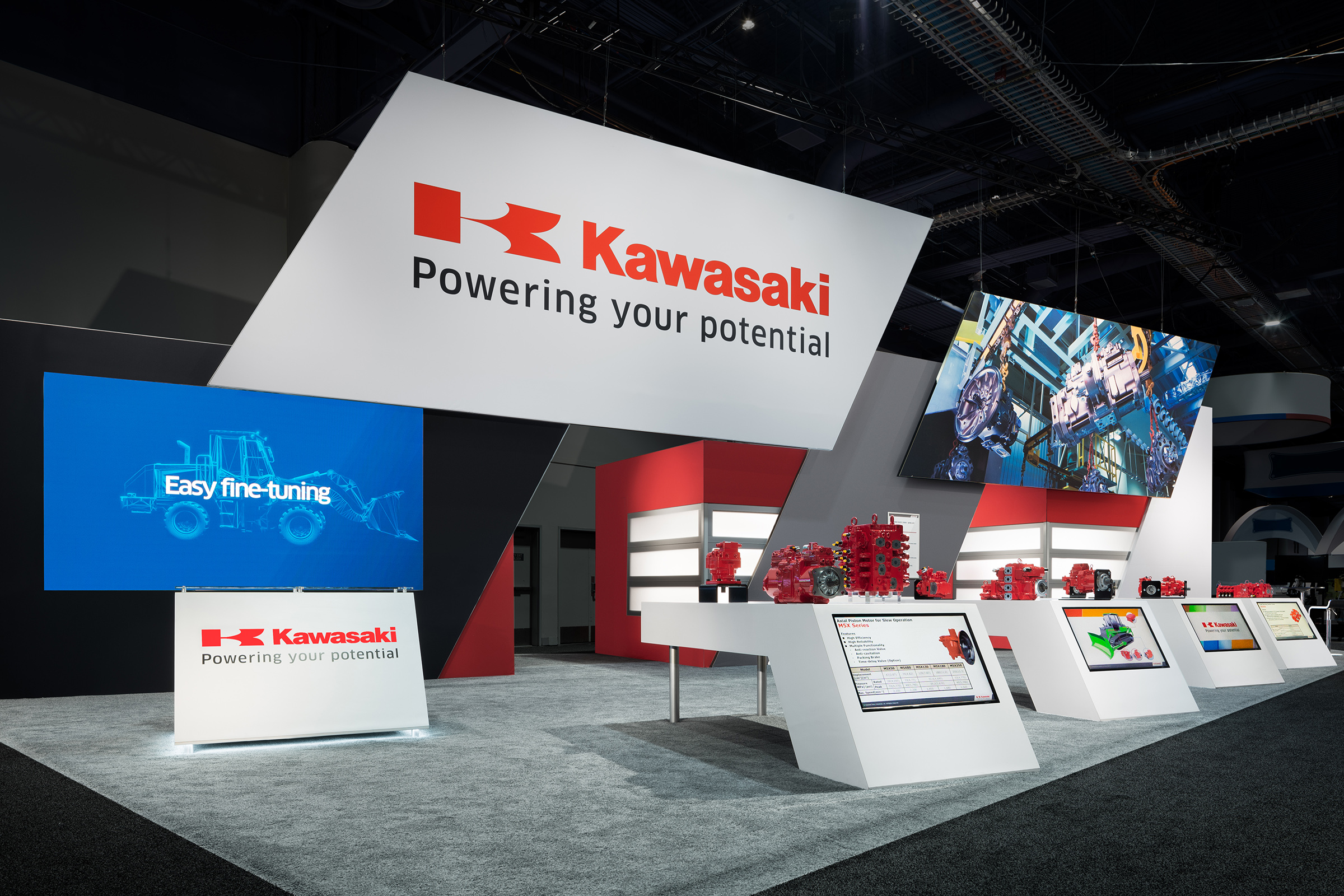
Ready to transform your space? Here’s how you can implement these game-changing solutions effectively.
From Discovery to Installation
Beginning with a thorough discovery phase, it’s crucial to understand your brand’s unique needs. This step ensures the design aligns with your goals. Collaborating with experts can facilitate a seamless transition from concept to reality.
Once the design phase is complete, the focus shifts to installation. This is where ideas come to life, turning plans into physical spaces. A well-managed process ensures that every detail aligns with your vision. The result is a space that not only meets expectations but surpasses them.
Measuring Success and Engagement
How do you know if your new space is working? Start by setting clear goals. Measure employee engagement and visitor feedback to gauge success. Tools like surveys can provide insights into how your space impacts daily operations.
While numbers tell part of the story, don’t overlook qualitative feedback. What are employees saying about their new environment? Are clients commenting on the innovative design? These observations can highlight areas for future improvement and confirm what’s working.
By focusing on these elements, you’re not just creating a space—you’re building a strategic asset that drives brand engagement and business growth.


